
Culinary Nutrition in Practice:
Take nutrition out of the office and into the kitchen
Build the skills and confidence to design and lead culinary nutrition experiences with live practice and personalized feedback.
Online | 23 CPEUs approved by CDR
Welcome to Culinary Nutrition in Practice
This is where you turn your idea into a culinary nutrition experience or program you can deliver by…
Choosing an audience and format that fit your professional goals.
Developing your menu, teaching points, participant resources, and session outline.
Practicing facilitating and receiving constructive feedback.
Creating a pricing and implementation plan for your experience.
“This not only enhanced my practice — it improved client outcomes by helping people translate nutrition into real-life meals. This program is phenomenal.”
You’re in the right place if…
You already value food as more than fuel
You want to incorporate cooking and culinary nutrition thoughtfully
You want your work to reflect both evidence and lived experience
You sense that nutrition education can be more effective
You’re interested in designing programs, not just giving advice
You’re inspired by a preventative, holistic approach
Culinary Nutrition in Practice:
Sample Schedule
A hands-on, eight-week experience to help you design, facilitate, and deliver culinary nutrition experiences in your professional work.
Four live lectures · Two application labs · Dedicated development time · One private strategy session
Week 1
October 19th
Kickoff Week
Welcome to Food School!
Access course portal + pre-course survey
Program overview and how it works
Meet the cohort
Explore the Culinary Nutrition Resource Library
Begin thinking about your idea
Week 1
Lecture One
Culinary Nutrition Foundations and Culinary Confidence
Benefits of culinary-forward nutrition approach
Psychology of cooking and behavior change
The eating experience and common cooking barriers
Getting into the kitchen and overcoming imposter syndrome
Foundations of culinary nutrition techniques
Help choose the recipe we'll prepare together during the following week's live lab!
Week 2
Lecture Two + Lab One
Design Your Culinary Nutrition Experience + Teaching Application Lab
Determining your audience
Experience models and delivery modes
Determining your theme, learning objectives and outcome design
Recipe development and menu creation
Experience flow design
Week 3
Development + Coaching Week
No formal lecture
Dedicated time to build your concept
Schedule your 1:1 strategy session with Shauna
Refine Your audience, menu learning objectives and format
Prepare for your practice lab
Optional office hours
Week 4
Lecture Three + Lab Two
Turn Your Experience Into an Offer and Practice Teaching Lab
Delivery models and real-world applications and case studies
Pricing strategies
Packaging and marketing your experience
Live student practice sessions (these are so fun!)
Constructive feedback and group discussion
Week 5
Lecture Four
Deliver with Confidence and Create Impact
Prep and experience setup
Welcoming participants
Managing different skill levels and troubleshooting
Lecture Four
Keeping engagement high
Wrapping up, follow up and evaluation
Creating a repeatable offer
Weeks 6-7
Focus Time + Develop Your Offer
No set lectures
Optional office hours
Extra 1:1 strategy sessions if applicable
Week 8
Final Project + Final Exam Due
Depending on your goals, that might be a cooking class, workshop, private culinary session, community program, corporate experience, or another food-centered offering.
Your project will bring together elements such as:
Audience, format, theme, learning objectives, experience outline, menu + recipes, teaching points, flow + timing, participant resources, pricing and implementation strategy, follow-up and evaluation
The goal is to leave CNIP with something you could implement, pitch, sell, or continue developing immediately.

Food isn’t meant to be explained.
It’s meant to be experienced…
What You’ll Build Inside the Program:
Culinary Nutrition Foundations
Understanding how cooking, food skills, and behavior intersectApplied Culinary Skills
Flavor, technique, flexibility — and how to translate them simplyProgram Design & Integration
Creating culinary nutrition offerings that work in your roleProfessional Application
Adapting culinary nutrition for different audiences and settings
A growing body of research shows that cooking interventions:
Improve dietary quality

Increase self-efficacy around food

Support long-term behavior change

Enhance engagement in nutrition programs
Culinary Nutrition in Practice takes that research and gives you the skills and structure to put it into action making nutrition an experience that truly shifts behavior.
You don’t have to be a chef…
In fact, the kitchen needs more RDs!
You already bring something incredibly valuable to the table: your understanding of nutrition, behavior change, health, education, and the people you serve.
Inside CNIP, we'll build on that expertise.
In this program, you’ll learn the tips, techniques, and ways of thinking I learned through chef training and years of designing food and wellness experiences so you can think like a chef, while showing up as an RD.
From Culinary Ideas to Real-World Programs
Culinary Nutrition in Practice is designed to help you take the nutrition expertise you already have and translate it into meaningful, well-designed experiences your clients and communities can use.
“Shauna helped me shape my ideas into something stronger, more cohesive, and uniquely mine.”
“Participating in Food School was an invaluable experience. She guided us step by step through the process with beautifully inspiring, highly informational slides and a teaching style that was both clear and encouraging.
Her feedback was incredibly generous and creative—she truly listened, honored my ideas, and helped me see how to shape them into something stronger, more cohesive, and uniquely mine.
I would highly recommend Shauna’s series of classes to any RD who recognizes that building culinary skills can deeply impact their clients’ success.”
— Linda, RD
“My confidence in delivering a cooking class definitely increased.”
“I definitely feel more prepared in the overall experience—from marketing, setup, preparation, and execution.
My confidence in delivering a cooking class definitely increased. I felt much more confident in my pacing, structure, and creating a class. I also have an increase in ideas for incorporating culinary nutrition into my practice.”
— Alison, RD
“The course increased my confidence and abilities.”
“I was somewhat confident about teaching because I had been doing it prior to the course, but the information and experience increased my understanding of things to consider when developing and teaching these types of classes, which has increased my confidence and abilities.
The topics in this class will help me develop programs that speak to the barriers people experience around the accessibility, taste, and ability to consume nutritious food—and get those programs out into the communities I wish to serve.”
— Michelle, RD
“I feel like I have the skills to create a more well-rounded experience.”
“Before this course, I felt like I was able to teach a cooking experience fairly well. However, after this course I feel like I have the skills to create a more well-rounded experience and make sure that I take care of all the little details that I wouldn’t have thought about in the past.
The key for me was starting to shift my thinking to applying MNT versus traditional nutrition counseling. I’ve had patients for years say, ‘Just come home and cook for me.’ Now I think I could create a package within my business where I can do this virtually or one-on-one in either my kitchen or a client’s kitchen.”
— Andrea, RD
What students walked away with…
Across the previous cohort, students reported greater confidence designing and delivering culinary nutrition experiences, clearer frameworks for planning and executing classes, and more concrete ideas for turning culinary nutrition into real services and programs.
They also began developing offerings including virtual cooking classes, community education, CSA-based programming, toddler cooking experiences, and condition-specific culinary nutrition programs.
Most importantly, they left with a clearer understanding of how to move nutrition education beyond information and into experiences that help people actually build skills.
What You'll Receive…
Your enrollment includes:

4 Core Culinary Nutrition Modules
Evidence-informed education covering culinary confidence, behavior change, experience design, professional application, facilitation, pricing, and more.

2 Live Application Labs
Cook along with a complete teaching experience and then practice your own facilitation skills.
Private 1:1 Strategy Session
Dedicated time with me to develop, refine, or troubleshoot your own culinary nutrition work.

Nearly 200-Page CNIP Workbook
Frameworks, exercises, planning tools, examples, and resources designed to help you turn what you're learning into action.

Final Project + Personalized Feedback
Develop a complete culinary nutrition experience and receive feedback on your work.

Course Recordings + Resources
Return to the educational content and resources, including the Culinary Nutrition Reference Library as you continue developing your work.

23 CPEUs
CNIP is approved by the Commission on Dietetic Registration for 23 continuing professional education units.
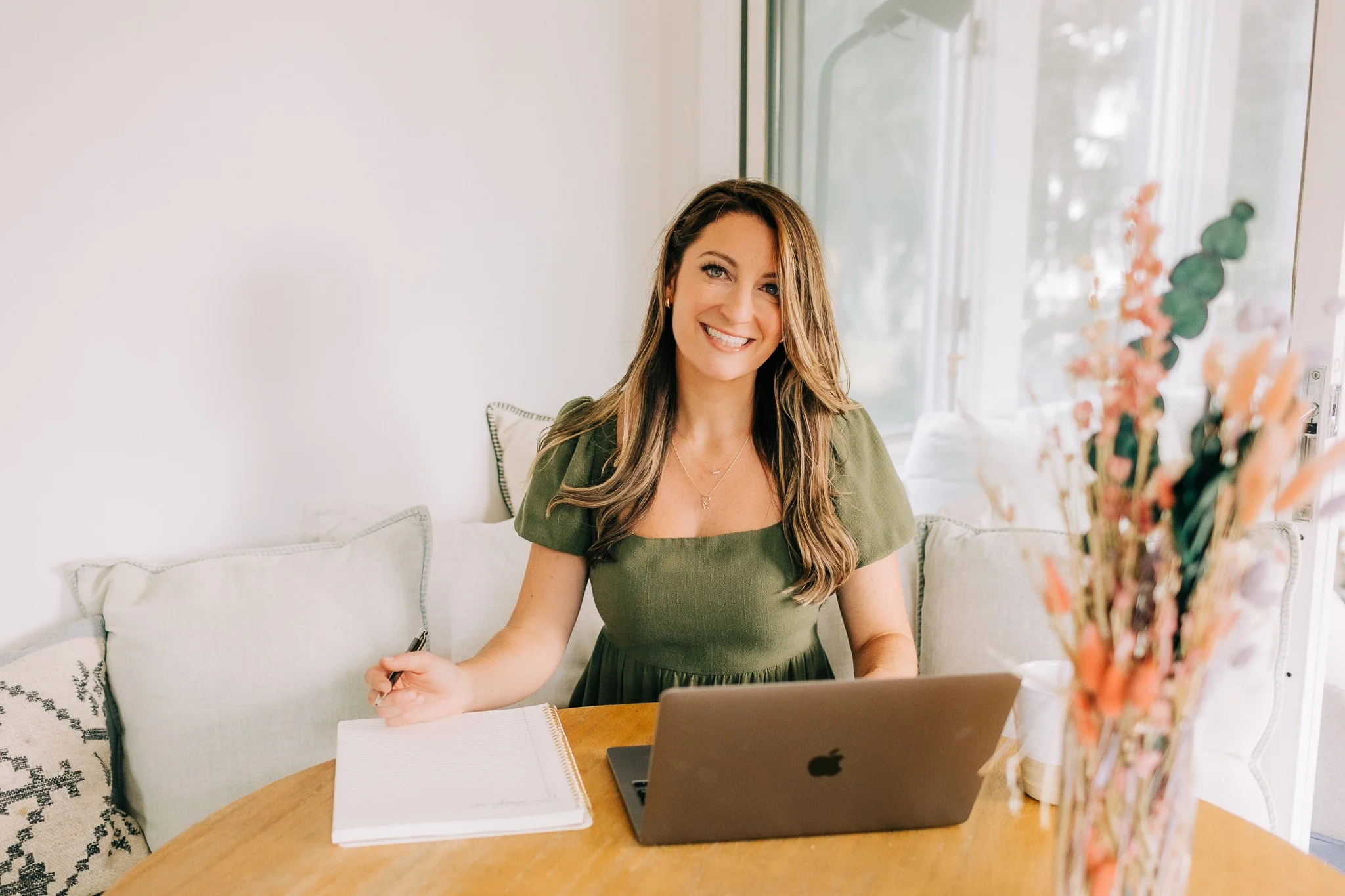
Hi there!
I’m Shauna McQueen, a registered dietitian, trained chef, educator, and yoga teacher with over a decade of experience working at the intersection of nutrition, food, and behavior change.
My work goes far beyond cooking classes. I’ve helped design and lead nutrition-focused food and wellness programs in corporate settings - including work with companies like Spotify and Barclays where food wasn’t just fuel, but part of a larger strategy to support wellbeing at scale.
Food School grew out of this integrated approach. Here, I teach nutrition professionals how to apply culinary nutrition in real-world settings combining practical cooking skills, program design, and mindful, evidence-informed frameworks that help food education truly land.
I truly believe that transformation doesn’t happen in an office.
It happens in the kitchen.


Frequently Asked Questions
-
Culinary Nutrition in Practice (CNIP) is designed for registered dietitians and nutrition professionals who want to bring food, cooking, and practical skill building into their work.
It’s especially relevant if you have ideas for a workshop, client experience, group program, or educational resource—but need more kitchen confidence, a clear framework, or support bringing those ideas together.
Whether you work in private practice, community nutrition, corporate wellness, healthcare, or foodservice, you’ll apply what you learn to your audience and setting.
-
CNIP connects what happens in the kitchen with how people learn, build confidence, and put nutrition guidance into practice.
Alongside practical culinary techniques, you’ll explore the psychology of cooking, common barriers to getting into the kitchen, and how to design and facilitate engaging learning experiences. You’ll develop your confidence as both a cook and an educator—and apply those skills to your own professional goals.
Your enrollment includes:
23 CPEUs approved by CDR
Flexible online learning, with live sessions and recordings
Application labs to develop culinary and teaching skills
A private strategy session focused on your goals
Personalized feedback on your optional final project
Created and taught by Shauna McQueen, MS, RD, a registered dietitian and professionally trained chef, CNIP draws on her experience in culinary education, behavior change, curriculum development, and corporate wellbeing.
Now welcoming its third cohort, the program also builds on two completed cohorts and participant feedback.
-
No. Cooking classes are one application of culinary nutrition, and the skills you develop can support many kinds of work.
You might use them to create:
A private culinary session that helps a client put nutrition recommendations into practice
A workshop or cooking demonstration for a workplace or community organization
Food-based activities for a group nutrition program
Educational recipes, culinary resources, or curriculum
Brand education or foodservice collaborations
You don’t need to arrive with a fully formed idea. CNIP helps you explore the possibilities and shape an experience that fits your expertise, audience, and goals.
-
You don’t need to be a chef or have experience teaching cooking classes.
CNIP builds on the nutrition knowledge you already have while helping you become more comfortable working with ingredients, using culinary techniques, and guiding others through food and cooking experiences.
If you already feel confident in the kitchen, you can focus on strengthening your teaching, program design, and facilitation skills.
-
For the cook-along lab, you’ll need access to a home kitchen and basic cooking equipment. An ingredient and equipment list will be shared in advance so you can prepare.
If you have questions about your setup or need an adaptation, contact Shauna before the lab so you can discuss options.
-
Recordings will be available, so you can watch sessions and revisit the material at times that work for you.
Live attendance is encouraged, particularly for the application labs, where you’ll have opportunities to cook, practice teaching, ask questions, and receive feedback.
If you expect to miss a lab, contact Shauna before enrolling to discuss how you can participate in the learning activities.
-
Yes. Your enrollment includes a private strategy session where you can discuss your audience, goals, and ideas with Shauna.
You’re also encouraged to complete the optional final project: a culinary nutrition experience suited to your work. You’ll receive personalized feedback to help you strengthen the concept and prepare for your next steps.
Your idea can be small and focused. A useful client session or well-designed workshop is a meaningful place to begin.
-
Yes. Culinary Nutrition in Practice is approved by the Commission on Dietetic Registration (CDR) for 23 CPEUs.
To earn the credits, you must complete the required course learning activities and pass the final multiple-choice assessment with a score of 80% or higher.
-
No. The final project is optional and is separate from the requirements for earning the program’s 23 CPEUs.
It is strongly encouraged because it gives you an opportunity to turn your learning into a culinary nutrition experience you could deliver—and receive personalized feedback from Shauna.
-
Course materials and resources will be available for download, so you can keep them for future reference as you develop and deliver culinary nutrition experiences.
-
You’ll have time to explore the course portal and attend—or watch the recording of—the first lecture before deciding.
If the program isn’t the right fit, contact Shauna by October 26, 2026, at 11:59 p.m. ET for a full refund of payments made and cancellation of any remaining installments. Your course access will end when your enrollment is refunded.
If your plans change, you may instead request a one-time transfer to an available cohort beginning within 12 months of your original start date. Transfer requests must also be received by October 26. Payments already made will carry over, and the schedule for any remaining installments will be confirmed with you.
After October 26, enrollment is nonrefundable and cannot be transferred. Payment plans divide the total tuition into installments; all remaining payments are still due.
Have a question?
Get in touch…
Want more?
Get the Food School Quarterly for fresh inspiration for your culinary nutrition work.
Food School Quarterly is a digital magazine for dietitians and nutrition professionals, featuring plant-based recipes, thoughtful interviews, and practical ideas for bringing food and cooking into your work.
Explore culinary techniques, nutrition and well-being topics, and inspiration for your next workshop, program, or client resource.