
Why Cooking Is More Powerful Than Dieting
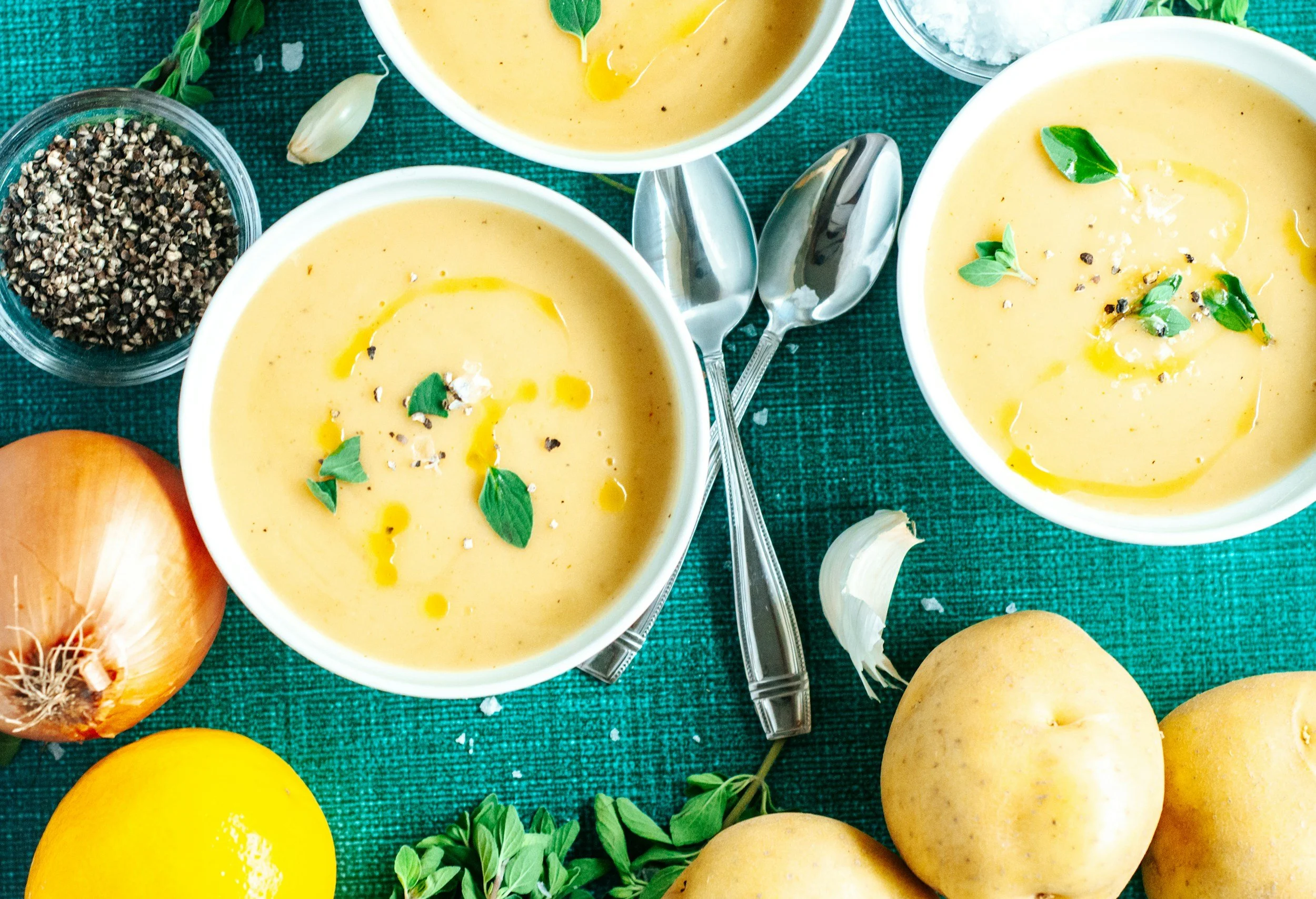
We spend a lot of time talking about what to eat. Less sugar, more protein, fewer processed foods, more fiber, etc. We debate macros, analyze labels, and design meal plan, but we don’t spend nearly as much time talking about how people actually learn to feed themselves.
Dieting and learning how to cook are not the same thing and the long-term outcomes look very different.
What Dieting Does
Short-term dieting can lead to weight loss. That part is well documented. What’s also well documented is what happens over time.
Longitudinal research has shown that repeated cycles of dieting, often referred to as weight cycling, are associated with weight regain and, in some cases, greater weight gain over time. Weight cycling has also been linked to adverse cardiometabolic outcomes, including higher blood pressure, insulin resistance, and increased cardiovascular risk markers in certain populations.
In addition to metabolic concerns, chronic dietary restraint has been associated with poorer body image, diminished body trust, and increased risk of disordered eating behaviors.
Dieting focuses heavily on external structure: rules, numbers, elimination, compliance. It ends up often leading us to question our own willpower and blaming ourselves for not being able to sustain something that leads us to feel restricted, preoccupied with food, and depraved.
What Cooking Builds
Now consider cooking.
Multiple population studies have found that people who cook at home more frequently tend to have higher overall diet quality. They consume more fruits and vegetables, more fiber, and fewer ultra-processed foods. Some research has found associations between frequent home cooking and lower BMI and improved metabolic markers.
Importantly, cooking skills are strongly linked to self-efficacy, the belief that you can prepare nutritious meals and manage your food environment. Self-efficacy is one of the most consistent predictors of long-term behavior change.
Cooking doesn’t rely on willpower in the same way dieting does. It builds capacity.
When someone understands how to roast vegetables properly, how to cook beans from scratch or use canned ones well, how to balance salt, acid and fat, how to turn leftovers into something satisfying - they don’t need rigid rules to guide them.
The Psychological Difference
Dieting often pulls people away from their internal cues. It teaches them to look outward to a plan, a list, a number, or an app to decide what to eat.
Over time, that can erode body trust and disconnect people from their own hunger, fullness, and satisfaction signals. Cooking, especially with whole foods, does the opposite. It invites engagement.
You smell, taste, adjust, notice. You learn what feels satisfying. And most importantly, you create something.
Meals you enjoy are more likely to be repeated. There is evidence that food enjoyment and satisfaction are important predictors of adherence to dietary patterns. People are more likely to sustain eating patterns that feel pleasurable and culturally aligned than those that feel restrictive or punitive.
Cooking builds intuition. It builds creativity. And uIt builds connection not just to food, but to the process of feeding yourself.
Why This Matters for Us as RDs
As dietitians, we are trained deeply in the what of nutrition. But if we want lasting change — in individuals, families, and communities, we have to invest more in the how.
How do you shop?
How do you prep efficiently?
How do you combine ingredients when you’re tired?
How do you recover when routines fall apart?
How do you build meals that feel balanced and satisfying without obsessing?
Helping clients develop culinary skills gives them something far more powerful than a meal plan.
It gives them lifelong capacity.
When someone can open their pantry and fridge without intimidation, when they’re not frantically searching for a recipe to follow perfectly, but instead have a working understanding of ingredients and techniques, something shifts. They don’t need food rules in the same way.
They have possibility.
Cooking creates options. It creates flexibility. It creates empowerment.
It helps rebuild mind–body connection because decisions come from internal awareness and skill, not from external restriction.
And when people feel confident nourishing themselves and their families in a way that is sustainable and even joyful, that confidence ripples outward. It changes how children experience food. It changes how meals are structured. It changes how communities relate to nourishment.
In short, dieting narrows, cooking expands.
If we truly care about metabolic health, sustainable behavior change, and repairing our collective relationship with food, teaching people how to cook, and how to enjoy what they cook, is one of the most impactful interventions we have.
Culinary Nutrition in Practice
If you’re an RD, I believe culinary skill is one of the most underrated public health tools we have.
And if you’re someone who’s tired of dieting and wants to feel more at home in your own kitchen, know that this is a learnable skill. It’s not about willpower. It’s about fluency. Check out my Kitchen Coaching programs.
If you’re an RD, I’ll be launching Culinary Nutrition in Practice this April and am in the process of getting approved for CEUs.