
How the Holidays Naturally Shift Our Food Habits
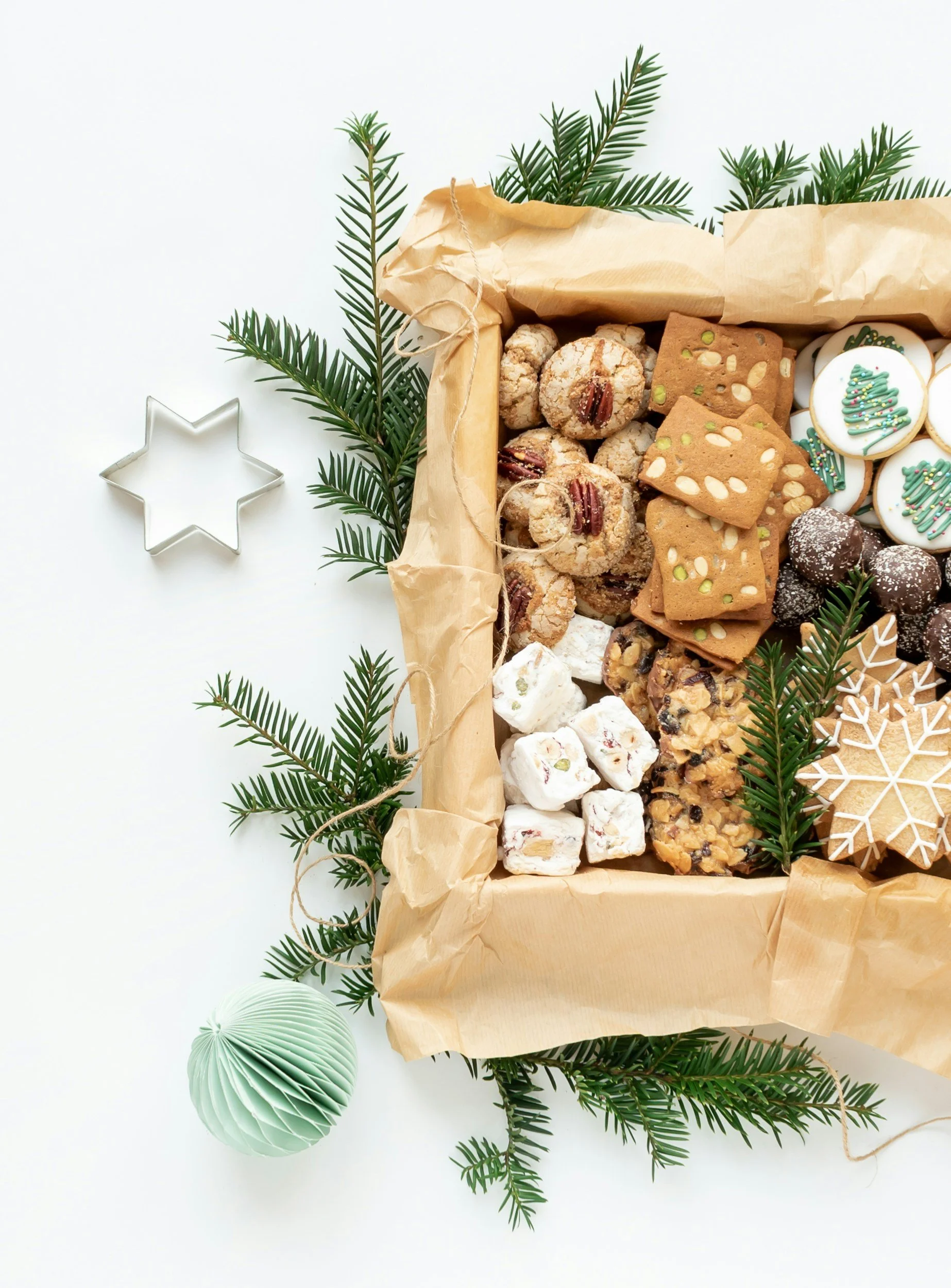
We’re all probably feeling it - our eating habits just tend to shift this time of year. It feels like my diet is only slightly more nutritious than Buddy the Elf’s at this moment. Can you relate?
Meals look different. Schedules change. Foods show up that aren’t part of our usual routine. And for many people, that shift comes with an undercurrent of guilt or self-judgment: Why am I eating more than usual? Why does everything feel harder right now?
But especially now - food choices are never just about food.
They’re shaped by our mental and emotional state, our environment, who we’re spending time with, our routines (or lack of them), and the meaning we attach to certain foods. And during the holidays, all of those influences are turned up.
So let’s take a look at what’s happening…
We’re Simply Eating Out More
For many people, the holidays mean more meals away from home and dinners out, parties, gatherings with friends, visiting family, catered events. When that happens, food naturally looks different.
Restaurant and catered meals tend to be higher in calories and sodium, include richer fats, and contain more added sugars, because those foods are designed to be more flavorful, celebratory, and satisfying than what many of us would prepare at home.
Stress Changes Both Cravings and Digestion
The busyness of the season adds a layer of stress for many people with packed calendars, travel, social obligations, financial pressure, and emotional expectations.
Physiologically, stress can influence appetite, cravings, and how our bodies process food. Many people notice they’re drawn to more comforting, familiar foods when stress levels rise.
Nostalgia Can Be a Powerful Driver
Holiday foods often carry memories. They connect us to people, places, and moments that matter.
Grandma’s casserole. A relative’s famous cookies. The coffee cake you only buy once a year from the local bakery…
These foods aren’t just about hunger, they’re about tradition, comfort, and belonging. Even if you’re not particularly hungry, saying yes to these foods can feel like saying yes to the season itself.
Novelty Invites Curiosity
The holidays also expose us to more variety including foods we don’t eat often, recipes we didn’t grow up with, specialty dishes.
When there’s more choice, we tend to eat more. Not because of a lack of control, but because novelty triggers curiosity and we don’t want to miss out, especially when these foods only appear once a year.
We Eat Differently Around Other People
Research consistently shows that we eat more when we’re around others and that we tend to mirror the eating behaviors of the people we’re with.
The holidays mean more shared meals, longer tables, slower eating, second helpings, and desserts that stretch with the conversation. Food becomes social and such a large part of how we connect during this time and that shift is part of what makes this season meaningful.
Traveling Requires some Food flexibility
Travel adds another layer to these dietary shifts. Long car rides, airport food, convenience meals, eating on someone else’s schedule, or simply being a guest in someone’s home all change how and what we eat.
When routines fall away, eating habits tend to follow so grant yourself some flexibility.
So What Does All of This Mean?
It means that your eating habits may shift during the holidays and that is normal, understandable, and rather than being something to fight against, it’s something to notice with curiosity.
Food plays many roles this time of year: nourishment, comfort, connection, memory, celebration. There is space for all of it and bringing awareness to these patterns can help soften self-judgment and invite a bit more mindfulness. It’s not about controlling food, but rather to stay connected to yourself during this time of busyness and excitement.
Happy holidays and be kind to yourself through these very common shifts!